
Religious Heritage
Banknotes whose principal subject is explicitly religious: mosques, churches, temples, monasteries and shrines, together with sacred texts, ritual objects and religious figures when their religious character defines the design. The subject belongs here because of its sacred or devotional meaning, not merely because it is old, artistic or architecturally important.
Banknotes in this Theme
147 banknotes
-
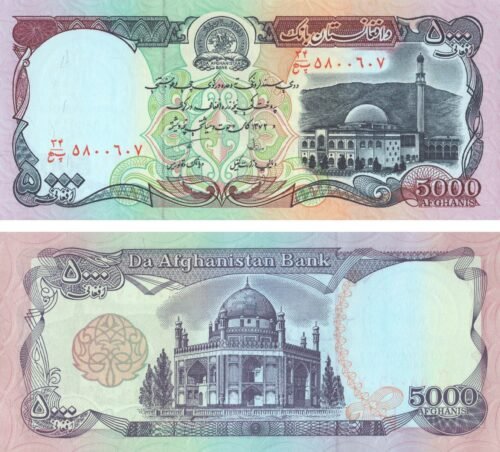
Afghanistan 5000 Afghanis 1993, P-62, UNC
3,99 € -
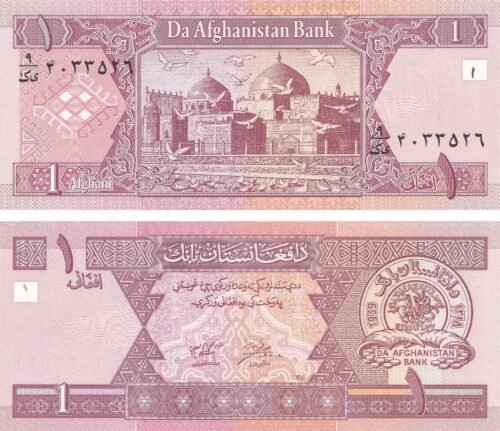
Afghanistan 1 Afghani 2002, P-64, UNC
0,99 € -
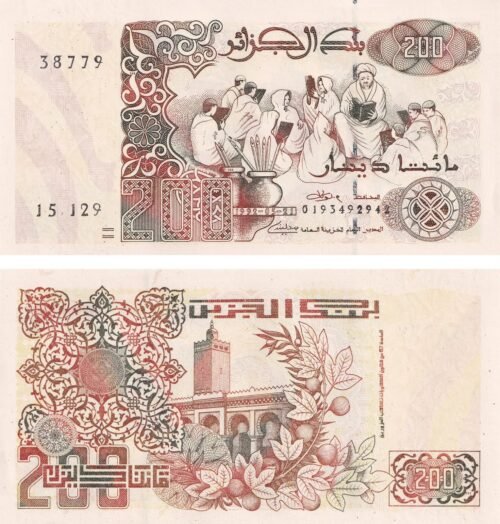
Algeria 200 Dinars 1992, P-138(3), UNC
7,99 € -
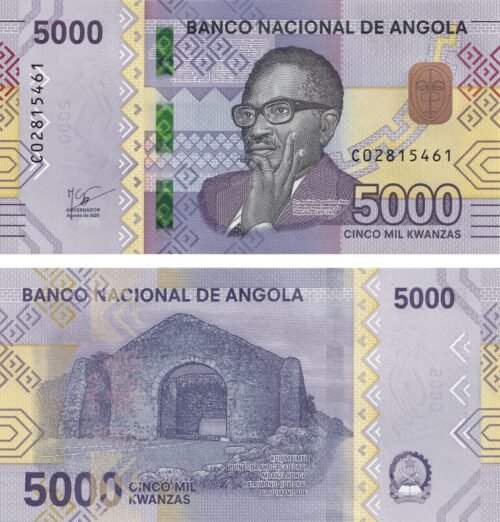
Angola 5000 Kwanzas 2025, P-164, UNC
27,99 € -

Armenia 500 Dram 2017, P-60, UNC
12,99 € -

Bangladesh 10 Taka 2000, P-33(2), UNC
2,49 € -

Bangladesh 5 Taka 2007, P-46Aa, UNC
1,49 € -

Bangladesh 5 Taka 2009, P-46Ab(2), UNC
2,49 € -

Bangladesh 5 Taka 2012, P-53c, UNC
0,99 € -

Bangladesh 5 Taka 2014, P-53Aa, UNC
1,49 € -

Bangladesh 10 Taka 2014, P-54c, UNC
0,99 € -

Bangladesh 10 Taka 2023, P-54, UNC
0,99 € -
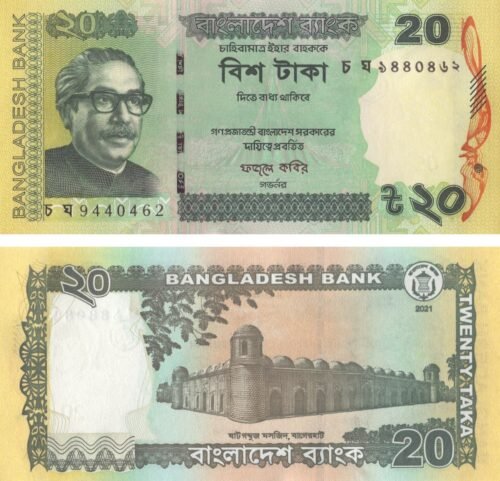
Bangladesh 20 Taka 2021, P-55A, UNC
1,49 € -
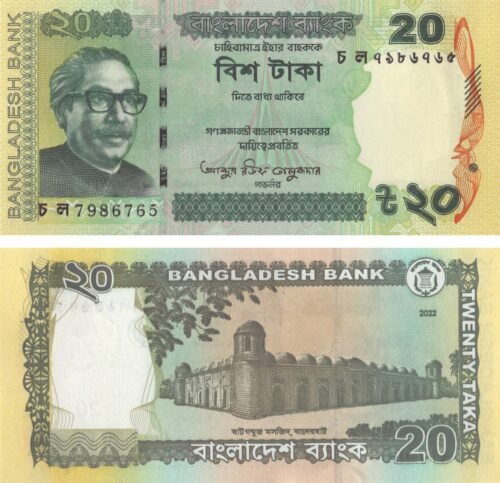
Bangladesh 20 Taka 2022, P-55A(2), UNC
1,49 € -
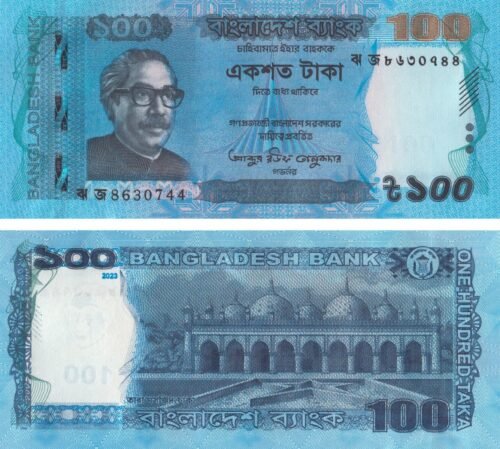
Bangladesh 100 Taka 2023, P-57, UNC
3,99 € -
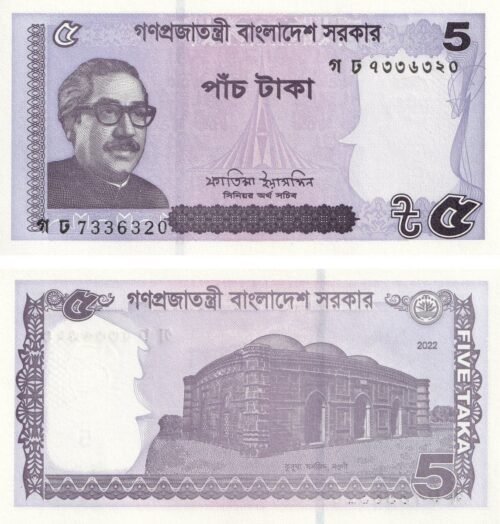
Bangladesh 5 Taka 2022, P-64A, UNC
1,49 € -

Bhutan 1 Ngultrum 2006, P-27a, UNC
1,49 € -

Bhutan 1 Ngultrum 2013, P-27b, UNC
0,99 € -

Bhutan 5 Ngultrum 2006, P-28a, UNC
1,49 € -

Bhutan 5 Ngultrum 2011, P-28b, UNC
1,49 € -

Bhutan 5 Ngultrum 2015, P-28c, UNC
1,49 € -

Brazil 10 Cruzeiros 1979, P-193c, UNC
3,99 € -
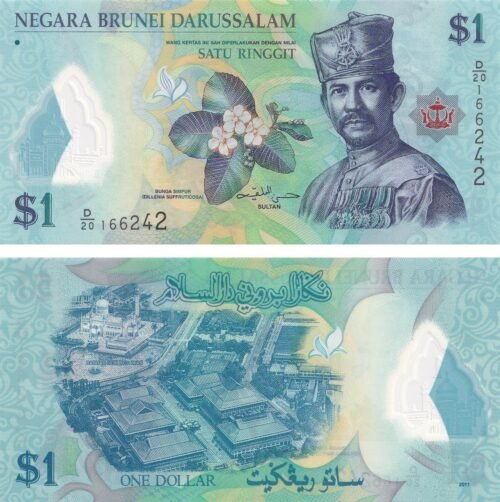
Brunei 1 Dollar 2011, P-35a, UNC
2,49 € -

Brunei 1 Ringgit 2013, P-35b, UNC
3,99 €
Religious subjects on banknotes can be architectural, textual, ceremonial or figural. A sacred building may occupy an entire side, while another design may centre on a manuscript, ritual object, religious inscription or figure associated with a religious tradition. In each case, the religious character of the subject must be central rather than incidental.
Sacred identity within cultural heritage
A mosque, church, temple or shrine shown as the principal subject belongs here when its sacred identity is what the design emphasizes. The same structure may read differently when it appears only as part of a wider historic cityscape or architectural panorama, where Cultural Heritage can become the stronger Theme.
Portraits require the same distinction. A religious scholar shown simply as a named person can remain Portraits & People. When the design clearly develops a religious context through sacred texts, ritual objects or setting, Religious Heritage may be the better fit.