
Colombia
Colombia banknotes take a modern form through the Nueva Familia series, where vertical reverses, biodiversity themes, and refined portrait engraving define the current peso.
1959–1983 | Modern Peso Oro Series

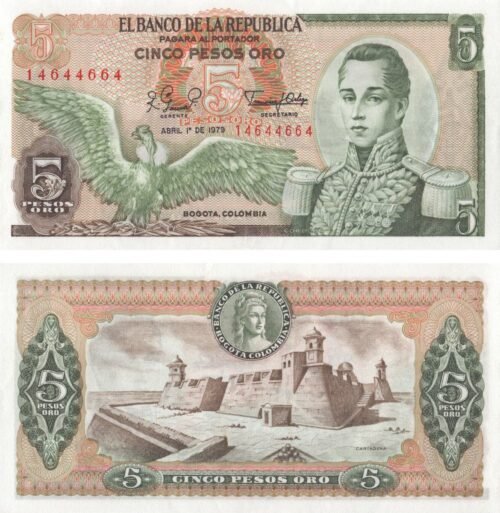


1977–1991 | Inflationary Peso Series

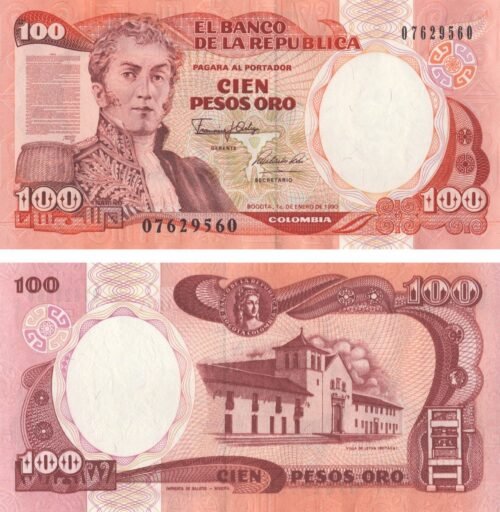
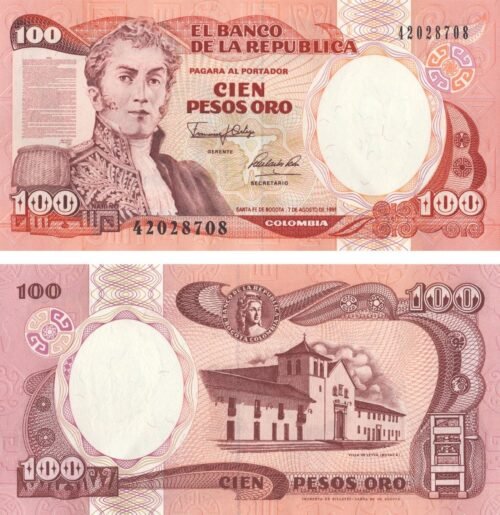
2005–2016 | Reduced Size Series
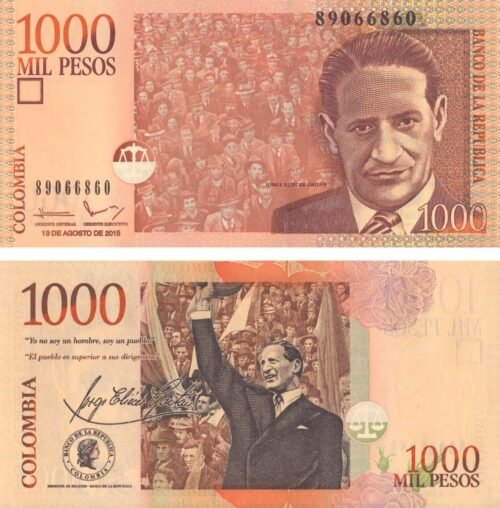

2014–2024 | New Design Peso Series


Design & Visual Identity
The modern Colombian series integrates cultural figures with distinct visual environments. Gabriel García Márquez appears on the 50,000 pesos note, accompanied by symbolic elements such as the butterflies of Macondo, linking literature directly to design. Other denominations follow the same structure, pairing individuals with landscapes that extend the narrative beyond portraiture.
A defining feature is the dual orientation format: the obverse remains horizontal, while the reverse is vertically structured, highlighting Colombia’s biodiversity. The Valle de Cocora with its wax palms, tropical ecosystems, and river landscapes are rendered with depth and clarity, creating one of the most recognizable modern banknote designs in Latin America.
Historical & Cultural Context
Colombia’s monetary evolution includes a clear transition from Peso Oro to the modern peso. Earlier banknotes emphasized gold-backed identity through the “Oro” designation, which remained in use until its official removal in 1993.
This change marked a structural shift toward a modern currency system, followed by the introduction of series that increasingly emphasized cultural and environmental identity rather than purely institutional representation.
For Collectors
For collectors, Colombia offers a well-defined collecting structure based on the transition from Peso Oro to the modern Nueva Familia de Billetes series. The Gabriel García Márquez 50,000 pesos note and the 100,000 pesos Valle de Cocora issue are key highlights within the series.
The combination of vertical reverse design, literary references, and biodiversity themes creates a distinctive collecting field with strong visual and thematic consistency.
Quick Facts
Currency: Colombian Peso
Issuer: Banco de la República