
Ukraine
Ukraine banknotes present a currency of continuity and change, where flax-based paper, philosophical symbolism, and modern security features coexist within a European framework.
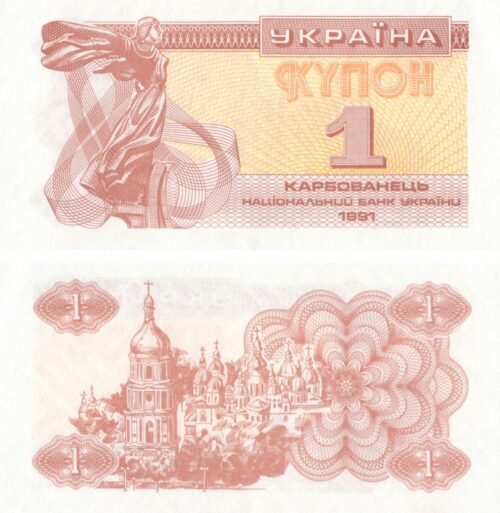
1991 | Lybid Karbovanets Coupons
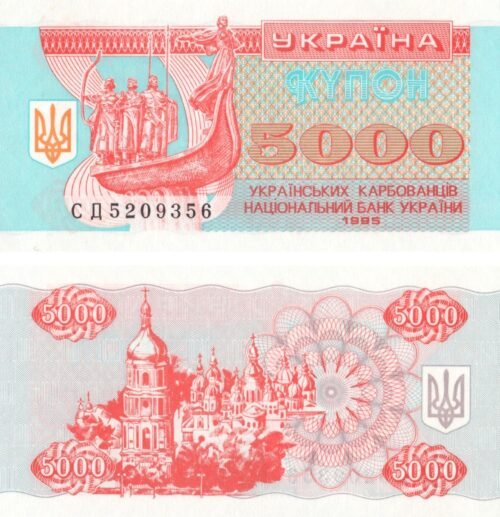
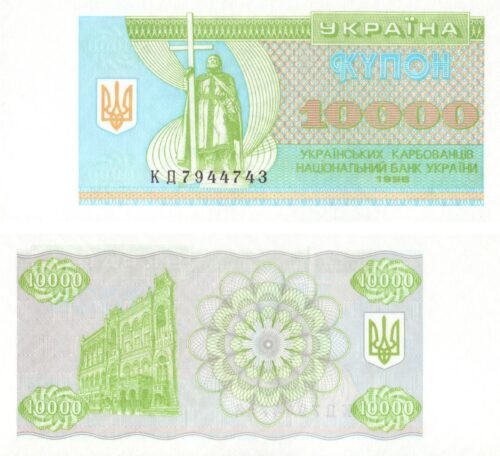
1992–1995 | Karbovanets Coupons

2003–2018 | Issue
-

Ukraine 1 Hryvnia 2006, P-116Aa, UNC
2,49 € -

Ukraine 1 Hryvnia 2011, P-116Ab, UNC
0,99 € -

Ukraine 1 Hryvnia 2014, P-116Ac, UNC
1,49 € -
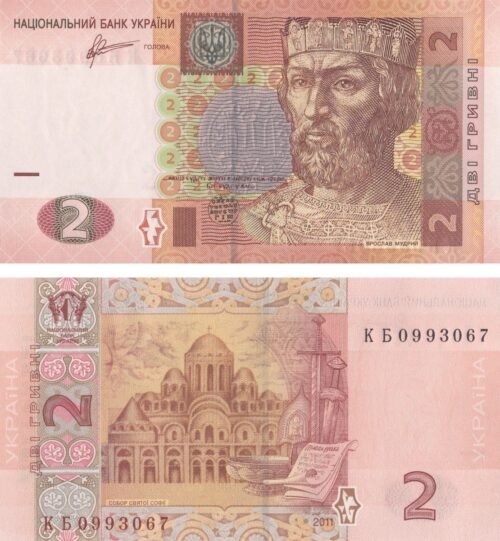
Ukraine 2 Hryvni 2011, P-117c, UNC
2,49 € -
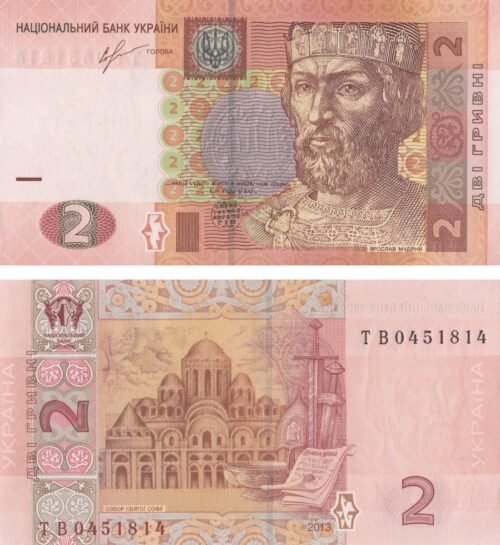
Ukraine 2 Hryvni 2013, P-117d, UNC
0,99 € -

Ukraine 2 Hryvni 2018, P-117e, UNC
0,99 € -
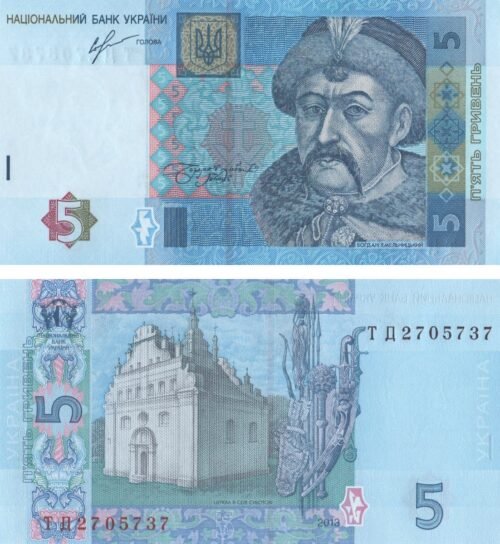
Ukraine 5 Hryven 2013, P-118d, UNC
2,49 € -

Ukraine 5 Hryven 2015, P-118e, UNC
2,99 €
2014–2023 | Issue


2016 | 160th Birthday of Ivan Franko Commemorative Issue
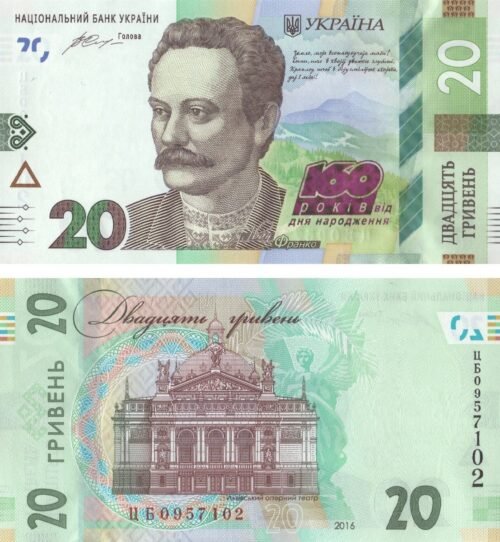
2024–2026 | Added Text on Back Issue
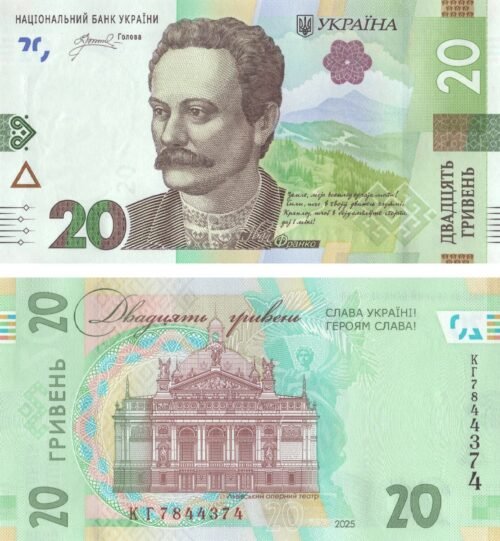


Design & Visual Identity
A defining contemporary development is the introduction of vertical commemorative banknotes. These issues depart from traditional horizontal formats, establishing a distinct compositional approach that differentiates them clearly within modern numismatics. Their structure reflects a shift toward expressive layout while maintaining functional clarity.
The physical identity of the Hryvnia is closely tied to its substrate. Ukrainian banknotes are produced on flax-reinforced paper, resulting in a characteristic dry texture and firm tactile response. This material choice distinguishes them from standard cotton-based notes and contributes to a consistent sensory profile across the series.
Within the intellectual framework of the currency, the 500 Hryvnia note featuring Hryhoriy Skovoroda holds particular significance. Its reverse includes the “Fountain” diagram, a structured philosophical composition integrated directly into the design, representing one of the rare instances where abstract conceptual imagery forms part of a banknote’s visual system.
Historical contrast is provided by the Karbovanets coupon issues, introduced during the post-Soviet transition period. These notes span a wide range of denominations, including high-value issues reflecting inflationary conditions. Together, they form a parallel collecting category that documents economic instability prior to the stabilization of the Hryvnia.
Production quality is defined by the capabilities of the National Bank of Ukraine Printing Works in Kyiv. Modern issues incorporate optically variable elements, pearlescent inks, and precise intaglio printing, creating layered visual effects and clear tactile differentiation. The Tryzub symbol, implemented with SPARK® Live technology on higher denominations, introduces dynamic color-shifting behavior within the security system.
Ornamental structures derive from vyshyvanka embroidery patterns, translated into fine guilloché networks. These motifs provide both cultural reference and functional complexity, integrating traditional design language into modern security architecture.
Architectural imagery reinforces continuity. Landmarks such as Saint Sophia Cathedral and Kyiv Mohyla Academy appear with detailed engraving, linking the currency to long-standing centers of religion and education within the region.
The visual composition of recent issues adopts softer tonal transitions and gradient-based color systems, moving away from rigid block coloration while preserving clear denomination hierarchy and readability.
Through these combined elements, Ukraine’s banknotes present a system where material choice, intellectual content, and technical execution define a coherent and evolving currency structure.
Historical & Cultural Context
The integration of vertical formats, flax-based substrate, philosophical design elements, and advanced security features positions Ukraine within a technically progressive European numismatic framework.
For Collectors
For collectors, Ukrainian banknotes offer a structured collecting field combining transitional coupon issues, modern design innovation, and distinct material identity.
Quick Facts
Currency: Ukrainian Karbovanets, Ukrainian Hryvnia
Issuer: National Bank of Ukraine