
When a Country Changes Its Name: What Changes on Its Banknotes?
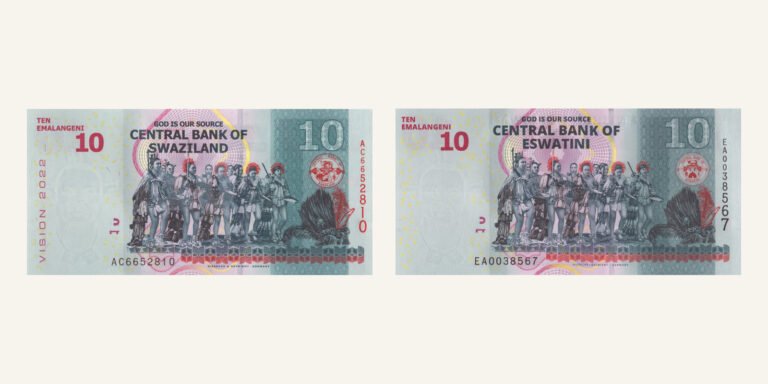
A new country name does not necessarily bring a new currency, an immediate change of bank title or the withdrawal of old notes. Four documented cases…
Identifying a banknote is the first step in understanding its origin, purpose, and collectible value. Every banknote contains key information that reveals its issuing country, currency, denomination, and authority. By learning how to read these elements — including scripts, symbols, serial numbers, and official signatures — collectors can quickly recognize what they are holding.
Banknote identification also involves understanding visual design clues. Portraits, national emblems, architectural landmarks, and cultural motifs often reflect the issuing country’s history and identity. Even when the language on the note is unfamiliar, these visual elements can provide strong hints about its geographic origin and historical context.
This section introduces the essential methods collectors use to identify banknotes accurately. Through practical guides and examples, you will learn how to determine the country, currency, and basic characteristics of a note — building the foundation needed for deeper research into banknote series, variations, and catalog references.
A new country name does not necessarily bring a new currency, an immediate change of bank title or the withdrawal of old notes. Four documented cases…
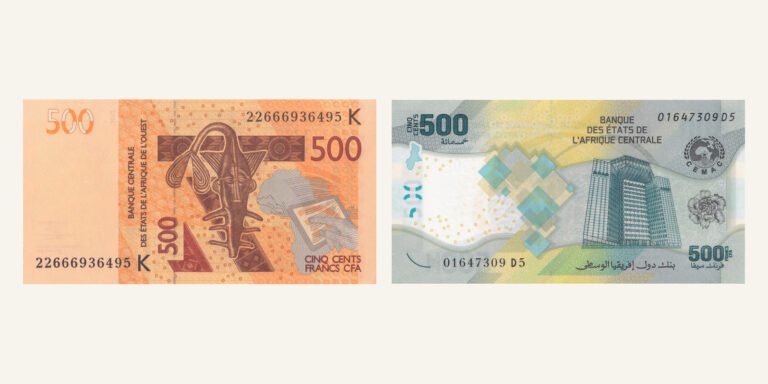
Two notes can share a currency name and an exchange rate without belonging to the same currency. CFA francs and Brunei–Singapore dollars reveal three different relationships…
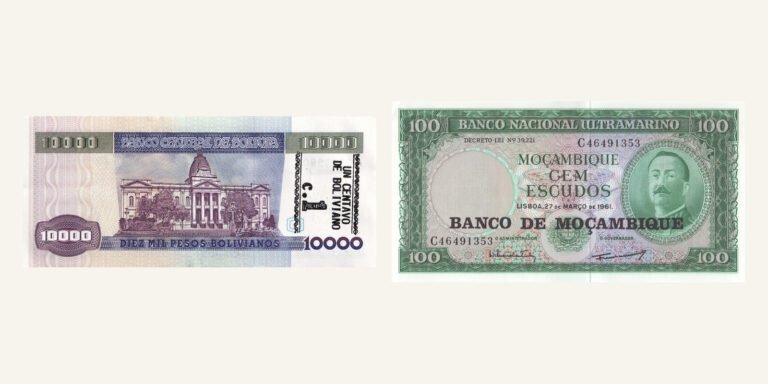
An overprint can add a new denomination or a new bank name without replacing the older design. Three documented cases show how to read the layers—and…
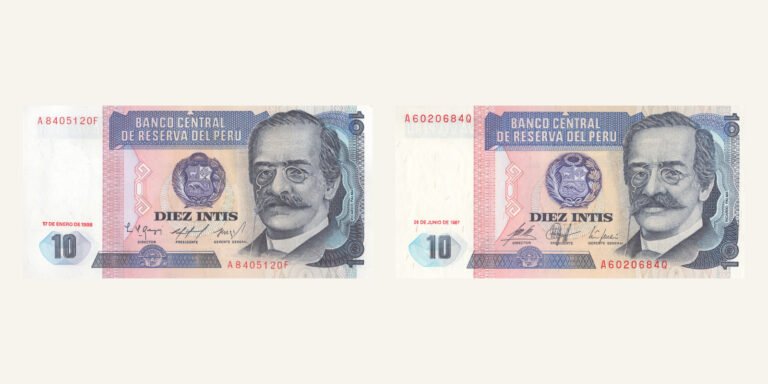
Two banknotes can share a portrait without sharing an engraving. Compare original Peru scans and documented design histories to see what visual resemblance can—and cannot—establish.
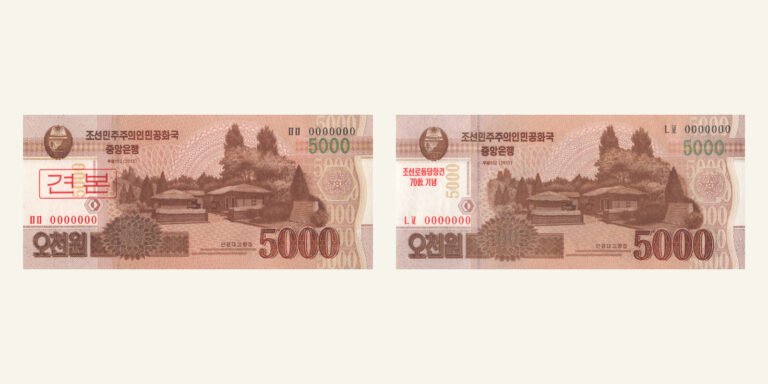
A specimen marking does not reveal the intended recipient. Compare institutional albums, collector subscription sets and North Korean notes whose original purpose remains undocumented.

A banknote’s number may identify a year, bank or printer. Five documented systems show why the issue—and sometimes the number’s colour—must be recorded too.
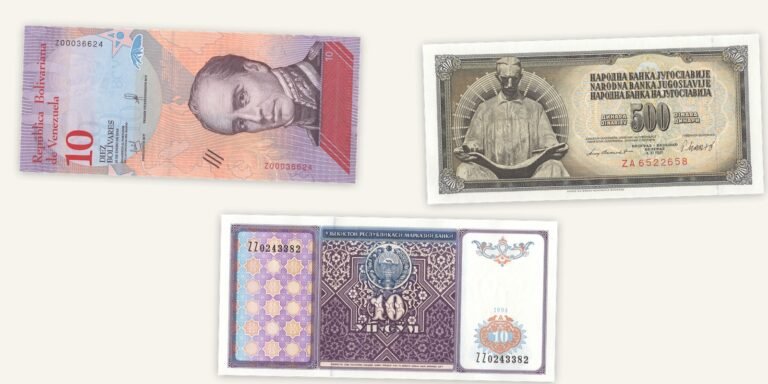
Replacement notes require evidence because no letter or prefix acts as a universal marker. Learn how star notes, special prefixes and false positives differ across issuers.
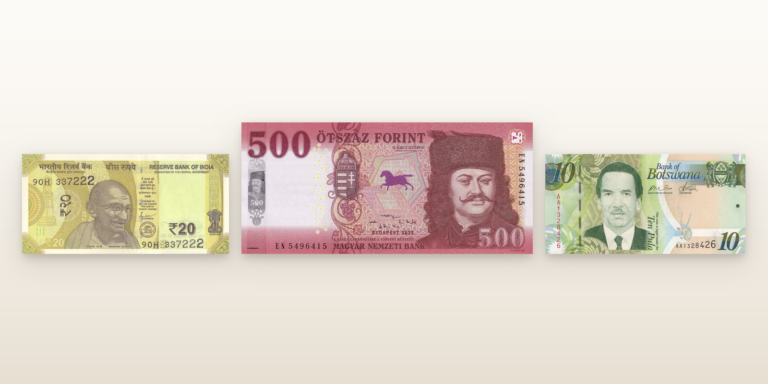
Signatures distinguish varieties and periods but rarely prove an exact date of printing alone. Learn what banknote signatures attest and where interpretation exceeds the evidence.
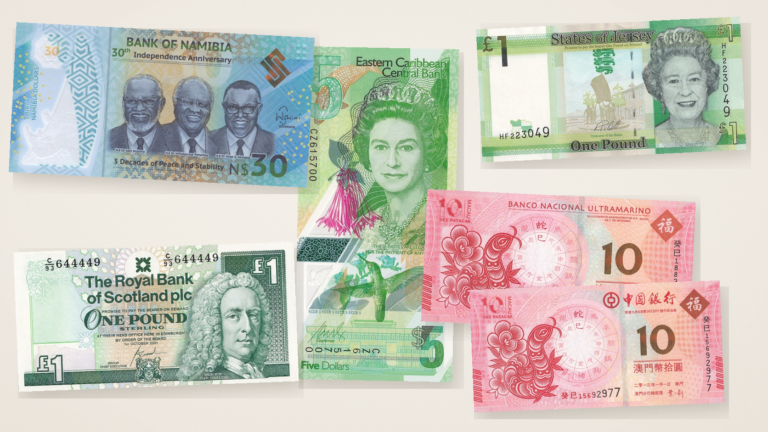
The largest name on a banknote does not always identify its legally responsible issuer. Compare central banks, treasuries, currency boards and multi-issuer systems.
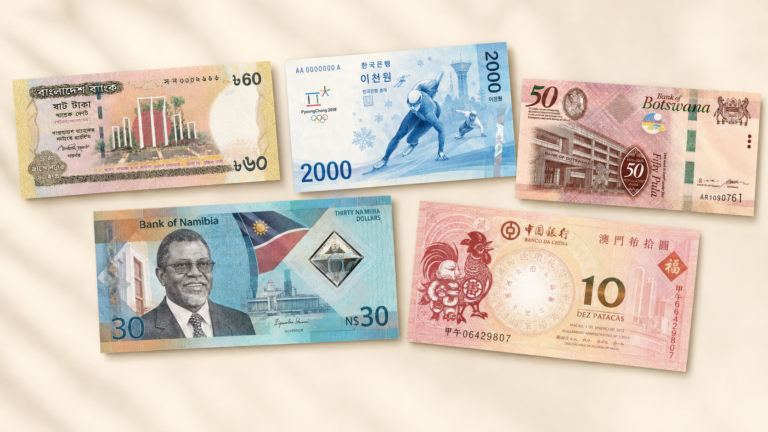
Commemorative status depends on purpose and official evidence rather than a banknote’s appearance alone. Learn how circulation, collector and promotional issues differ.