
Why Was Small Change Printed on Paper?

Hong Kong, the United States, Canada and Japan used paper for small change under different conditions. Contemporary documents and original scans explain the differences.
Banknote collecting is not only about owning beautiful pieces of currency — it is also about understanding the history, symbolism, and monetary systems behind them. Each banknote carries information about the issuing country, its economy, cultural identity, and the historical period in which the note was created.
Developing knowledge about banknotes allows collectors to better interpret designs, recognize important series, and understand how different currencies evolved over time. From the meaning of national symbols to the stories behind portraits and landmarks, deeper knowledge transforms a simple banknote into a historical document.
This section brings together educational resources designed to expand collectors’ understanding of world banknotes. By exploring historical context, terminology, and collecting concepts, readers can build the knowledge needed to navigate the world of banknote collecting with confidence.
Hong Kong, the United States, Canada and Japan used paper for small change under different conditions. Contemporary documents and original scans explain the differences.

A banknote map can show an animal’s range, a historic district or an eclipse zone. Four documented cases explain how to read the outline, added marks…
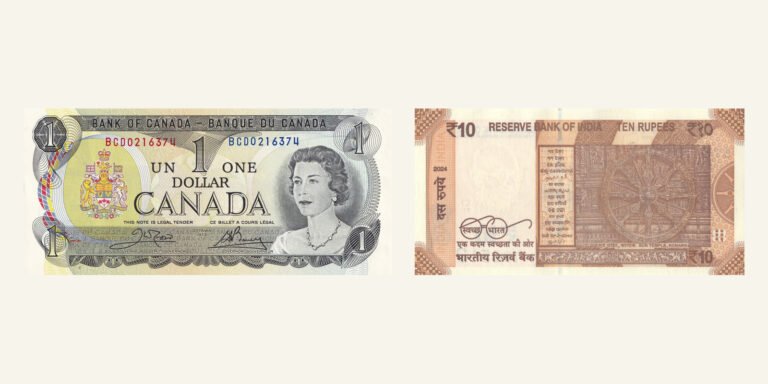
A bilingual note can carry a third language in its coat of arms. Five currency systems show how bank names, values, mottos and initials follow different…

A certificate’s title does not tell you who could use it. Chinese rules, IMF reports and Cuban examples separate eligibility, compulsory exchange, payment and redemption.
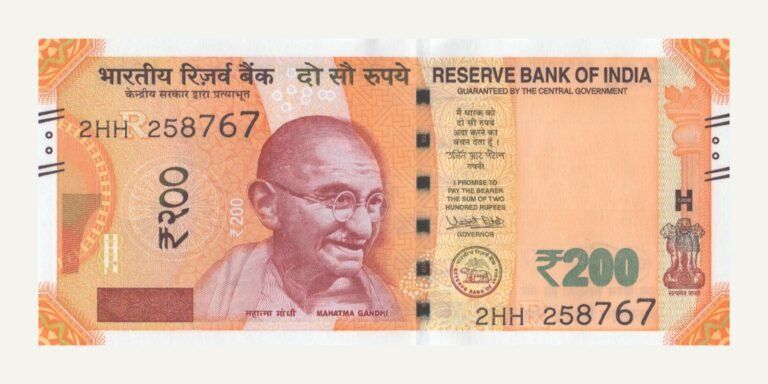
Banknote accessibility involves size, contrast, tactile codes and external aids. Explore what official guidance and historical research reveal about identification, wear and everyday use.

Currency values reflect payment habits, inflation, production costs and practical constraints within each system. See why issuers add, retain, transfer or stop issuing particular denominations.
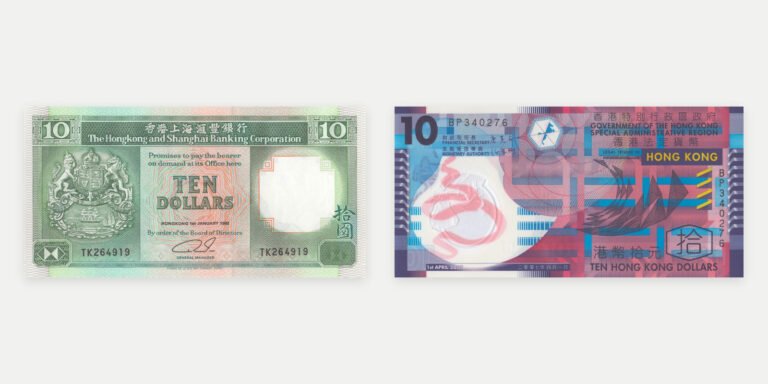
Banknotes became trusted money as institutions, promises, laws and systems of authority evolved worldwide. Trace their development from paper claims to modern national currencies.
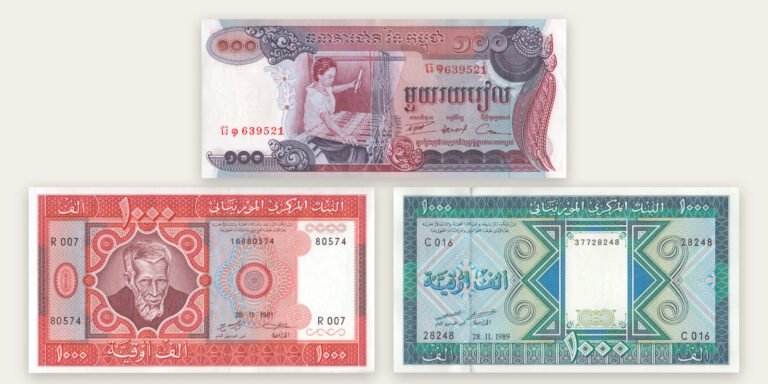
A banknote can be fully printed, numbered and signed yet never officially become money. Explore non-issue from entire types down to serial-number blocks.
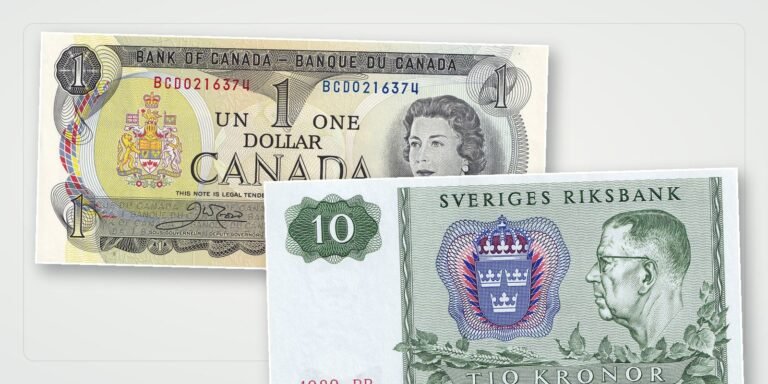
Withdrawal, legal-tender status and redemption are separate events with different practical consequences for holders. Compare how issuers change a banknote’s status and treat notes still held.
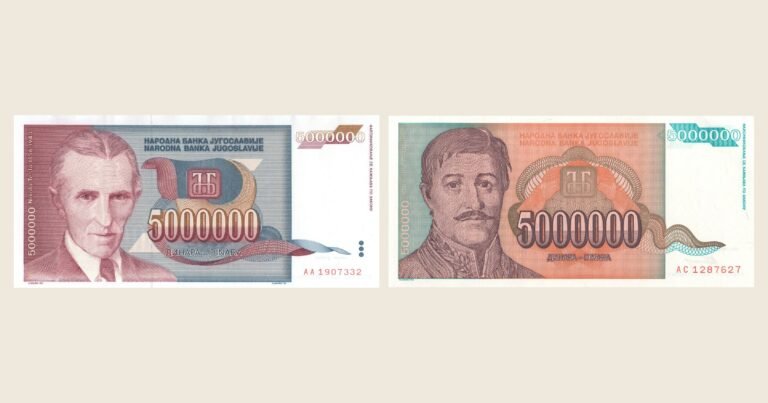
Enormous printed values do not prove hyperinflation without a dated monetary context around them. Three documented collapses show why dates, units and redenomination rules matter.