Bank of Japan
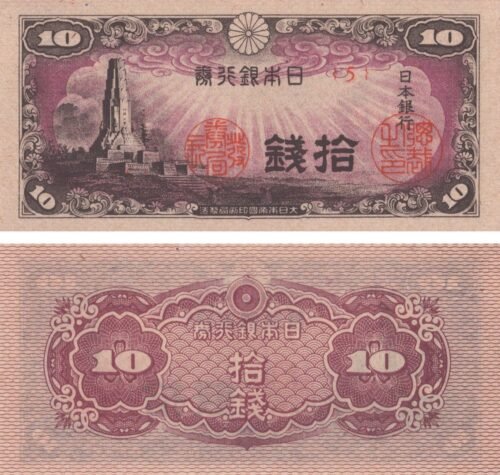
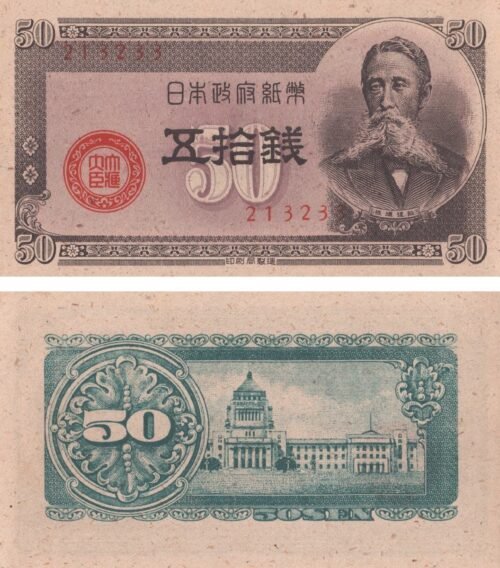
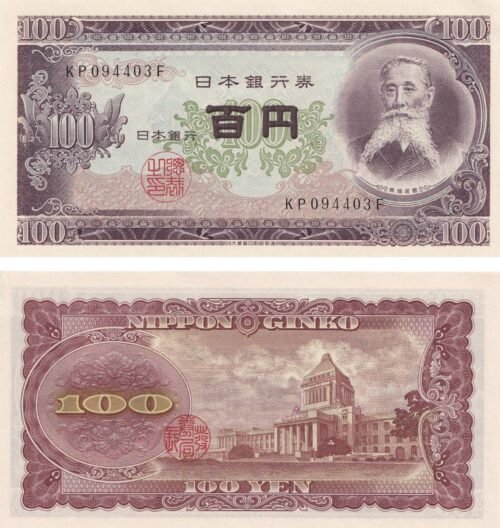
The Bank of Japan (日本銀行) operates as the central monetary authority within one of the world’s most advanced currency systems, notably defined by precision printing and continuous technological refinement.
Quick Facts
Institutional Identity
The Bank of Japan, established in 1882 during the Meiji period, introduced a unified national currency system that replaced fragmented feudal notes with standardized yen issuance. As the central monetary authority, it manages currency production, monetary policy and financial stability within one of the world’s most advanced and technologically sophisticated economies.
Historical Evolution
Japanese banknote development reflects a continuous pursuit of technical perfection, culminating in the 2024 series, which introduced world-first 3D rotating holographic portrait stripes. This series also brought new historical figures such as Eiichi Shibusawa, marking a generational shift in visual identity while maintaining the Bank’s long-standing emphasis on clarity, hierarchy and anti-counterfeiting excellence.
Design Philosophy
Production is centred on the distinctive Mitsumata fibre paper, giving Japanese banknotes their characteristic cream tone and crisp tactile quality. Designs combine ultra-fine microprinting, highly detailed intaglio engraving and balanced compositions featuring iconic national imagery such as Mount Fuji, cherry blossoms and Hokusai’s “Great Wave off Kanagawa”. The integration of advanced optical features with traditional engraving techniques creates a uniquely harmonious balance between heritage and innovation.
For collectors
For collectors, the Bank of Japan represents the global benchmark in banknote craftsmanship, where technological leadership, unique substrate materials and culturally iconic imagery converge. From earlier engraved classics to the groundbreaking 2024 holographic series, Japanese yen banknotes form one of the most refined, technically advanced and internationally respected collecting fields in numismatics.