Reserve Bank of Vanuatu
The Reserve Bank of Vanuatu (Reserve Bank blong Vanuatu) operates as the central monetary authority overseeing a currency system combining modern banknote production with traditional wealth symbolism.
Quick Facts
Institutional Identity
The Bank operates as Vanuatu’s central monetary authority, managing inflation, supervising financial institutions, and issuing currency within a small island economy shaped by tourism, agriculture, and regional trade.
Historical Evolution
Established in 1980, the Bank introduced the vatu in 1982 to replace the New Hebrides franc, marking the end of the unique Anglo-French Condominium system and the creation of a fully sovereign national currency.
Design Philosophy
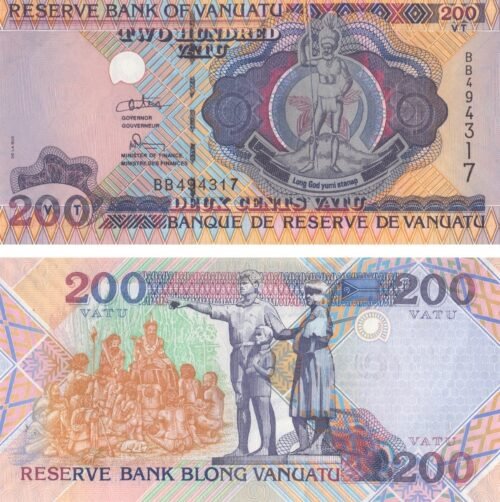
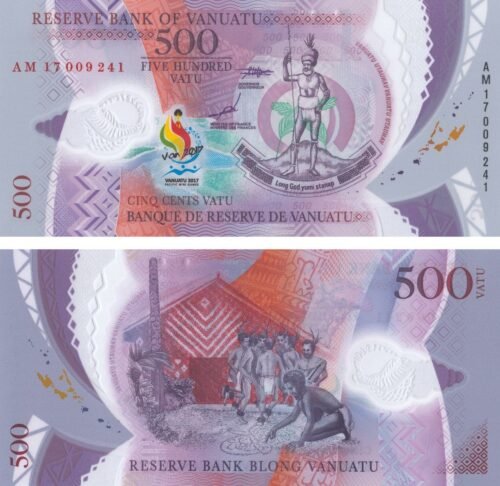
Modern Vanuatu banknotes are defined by strong cultural symbolism, prominently featuring the curved boar’s tusk—the traditional indigenous form of wealth and the official emblem of the Reserve Bank—alongside scenes of island life, including the dramatic “Naghol” (land diving) ritual from Pentecost Island, rendered with vibrant color palettes and polymer security features.
For collectors
For collectors, the Reserve Bank of Vanuatu offers a unique anthropological dimension, where modern banknotes directly reference traditional forms of wealth and rare cultural practices, creating a distinctive niche within Pacific and ethnographic numismatics.