
Bradbury Wilkinson & Co.

Bradbury Wilkinson & Co. was one of Britain’s major commercial banknote engravers, exporting highly finished intaglio currency designs from the Victorian period until its absorption into De La Rue.
Quick Facts
Official name: Bradbury, Wilkinson & Co. Ltd.
Alternative names: Bradbury Wilkinson; Bradbury, Wilkinson & Company; BW&Co.; BWC
Country: Great Britain
Headquarters: Historical final banknote works at Burlington Road, New Malden, Surrey, England
Established: Banknote-printing partnership established in 1856; later corporate entities were reorganised and ultimately wound up
Status: Historical; acquired by De La Rue in 1986 and banknote-printing operations ended around 1990
Institution type: Private commercial banknote engraver and high-security printer
Ownership or parent: Historically controlled by American Bank Note Company; acquired by De La Rue in 1986
Institutional Identity
Bradbury, Wilkinson & Co. was a British engraver and security printer specialising in banknotes, stamps, share certificates and related protected work. Its identity rests on the partnership formed by Henry Bradbury and engineer Robert W. Wilkinson in the 1850s, with banknote work beginning in 1856. The company became an important commercial supplier to issuing banks far beyond the United Kingdom.
The printer should not be confused with an issuing authority. Bradbury Wilkinson designed, engraved and manufactured notes to contract; the legal promise and monetary liability belonged to the bank or state named on the note. Some assignments carried the company imprint, making attribution direct. Others rely on archival, catalogue or institutional evidence.
Bradbury Wilkinson is now a historical printer. De La Rue acquired the company in 1986. Production was subsequently consolidated, and specialist catalogues place the end of Bradbury Wilkinson banknote operations around 1990. Later legal liquidation dates belong to residual corporate entities and should not be mistaken for the last year the New Malden works printed currency.
Historical Development
Henry Bradbury brought experience in fine and nature printing into a partnership with Robert Wilkinson, applying precision engraving to security work from 1856. The firm developed a strong international position during the nineteenth century, producing banknotes and other engraved instruments for banks, governments and colonial currency systems.
The company’s ownership and geography changed over time. It became associated with American Bank Note Company and later concentrated production at the large New Malden works in Surrey. That plant embodied the integrated commercial-banknote model: design studios, engraving, plate preparation and secure printing organised within one protected site.
De La Rue acquired Bradbury Wilkinson in 1986 as part of the consolidation of British security printing. The acquisition ended its independent corporate trajectory, while the production legacy survived in designs, plates, archives and De La Rue’s broader organisation. A professional history therefore distinguishes the 1856 operating origin, later company incorporations, the 1986 takeover and the end of printing operations.
Role in Banknote Production
Bradbury Wilkinson could provide a complete commercial banknote service: concept development, portrait and vignette engraving, geometric security design, plate preparation, background printing, intaglio printing, numbering and finishing. Its artistic reputation is visible in finely engraved portraits and landscapes, but the industrial role extended well beyond illustration.
WorldBanknotes.eu currently links the company to Iceland’s 10-kronur note dated 1961 and São Tomé and Príncipe’s 50-dobras note dated 1982. The São Tomé note carries the printer’s New Malden imprint on the reverse, giving unusually direct physical evidence. The Iceland attribution is supported by specialist catalogue evidence and should be recorded as such rather than presented as an issuer-published contract.
The two notes also show the breadth of commercial currency work: a Nordic literary-portrait issue and a post-independence African series. Sharing a printer does not make their paper, security features, designers or issuing authorities identical.
Security and Technology
The company’s core technical language was engraved security printing. Hand-cut portrait and vignette dies, lathe-generated ornament, guilloche structures, layered colour work and high-pressure intaglio created visual complexity and tactile relief. The British Museum’s holdings document Bradbury Wilkinson as both engraver and printer across a wide range of banknote material.
Security design was not a fixed corporate signature. Each customer specification could combine different papers, watermarks, threads, serial systems and printing sequences. An imprint proves the final printer but does not automatically identify the paper mill or every feature supplier.
Collectors often recognise Bradbury Wilkinson through the combination of detailed engraving and the printed New Malden credit line. That evidence is powerful when present. Where it is absent, catalogues and archives should carry more weight than stylistic resemblance alone.
For Collectors
Bradbury Wilkinson is a major thematic printer for collectors of commercial banknote production. Its assignments span different continents, issuing models and political systems, allowing comparison of how one industrial house adapted design and engraving to very different customers.
The 1982 São Tomé 50-dobras note is an excellent attribution study because the printer’s name and New Malden location are printed directly on the reverse. The 1961 Iceland 10-kronur note illustrates a different evidence route, where specialist catalogue documentation supports the printer record. The database should preserve that difference in evidence strength.
Historic printer collecting also requires chronological discipline. A note dated before the 1986 acquisition belongs to Bradbury Wilkinson’s own production era; later De La Rue corporate ownership does not retroactively change the printer name printed or documented for earlier issues.
Banknotes Printed by Bradbury Wilkinson & Co.
-

Cambodia 5 Riels 1972, P-10c, UNC
3,99 € -
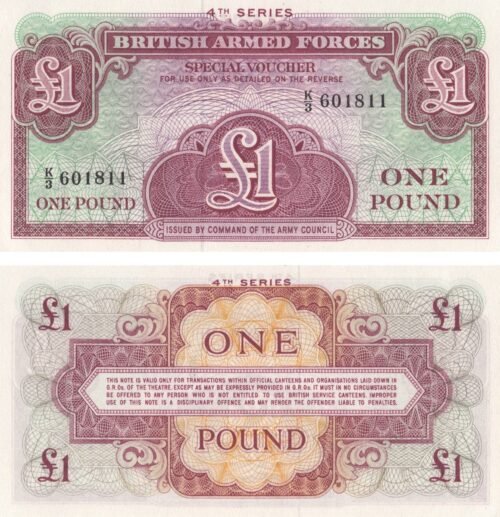
Great Britain 1 Pound 1962, P-M36, UNC
1,49 € -

Great Britain 5 New Pence 1972, P-M47, UNC
1,49 € -

Great Britain 10 New Pence 1972, P-M48, UNC
1,49 € -
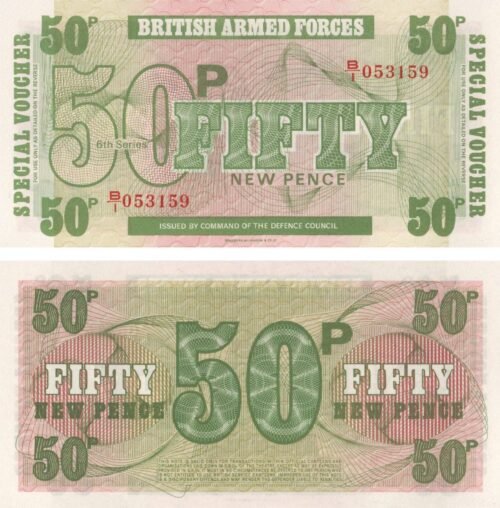
Great Britain 50 New Pence 1972, P-M49, UNC
6,99 € -
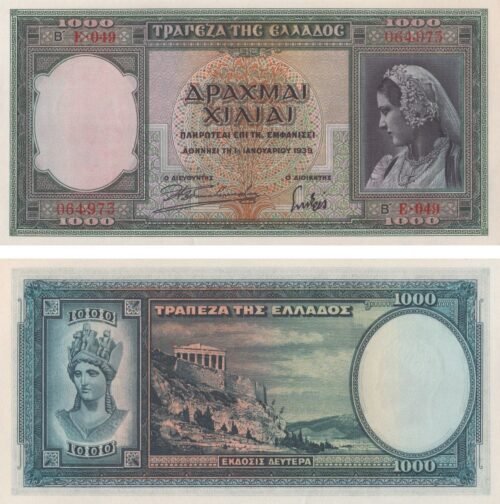
Greece 1000 Drachmas 1939, P-110, UNC
14,99 € -

Hong Kong 1 Cent 1971, P-325b, UNC
1,49 € -

Iceland 100 Kronur 1961, P-44a(6), UNC
13,99 € -
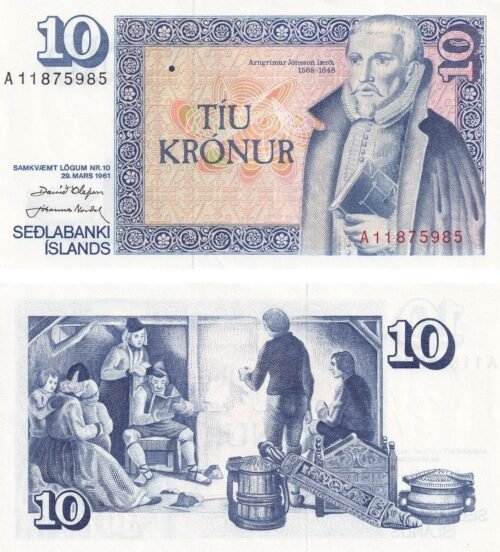
Iceland 10 Kronur 1961, P-48a(2), UNC
8,99 € -

Iceland 10 Kronur 1961, P-48a(4), UNC
5,99 € -
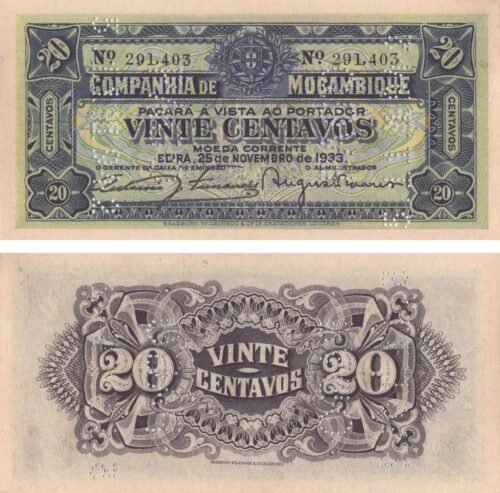
Mozambique 20 Centavos 1933, P-R29, aUNC
3,99 € -

Mozambique 100 Escudos 1978, P-117, UNC
1,49 € -

Mozambique 500 Escudos 1979, P-118, UNC
2,49 €
Selected References
- British Museum — Bradbury, Wilkinson & Co Ltd
- Merton Photo Archive — Bradbury & Wilkinson Print Works
- De La Rue — Our History
- Companies House — Bradbury Wilkinson Holdings Limited
- Numista — Bradbury Wilkinson Printer Profile
- PMG — Bradbury Wilkinson Advertising Notes
- Numista — São Tomé and Príncipe 50 Dobras 1982
- Bank of England — Court Minutes 1985