
Algeria
Algeria banknotes emerge from independence, where the 1964 dinar replaced the French franc and marked the material break from colonial monetary control.
1992 | Dinar Series
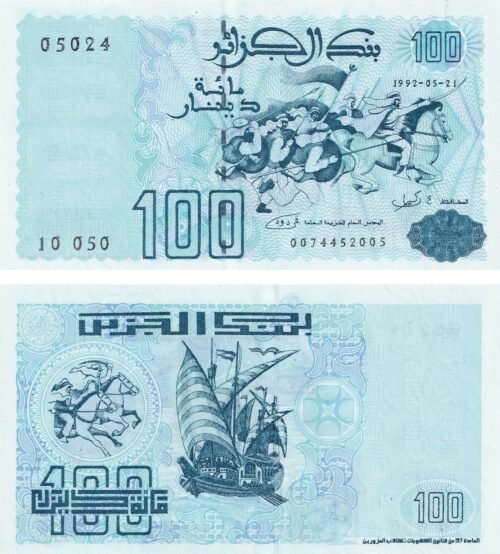
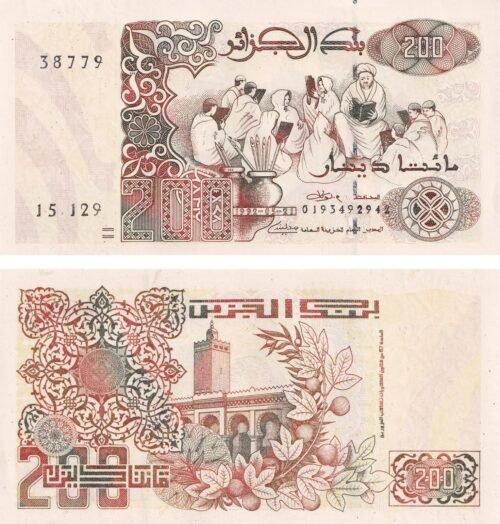
1992–1998 | Holographic Transition Series
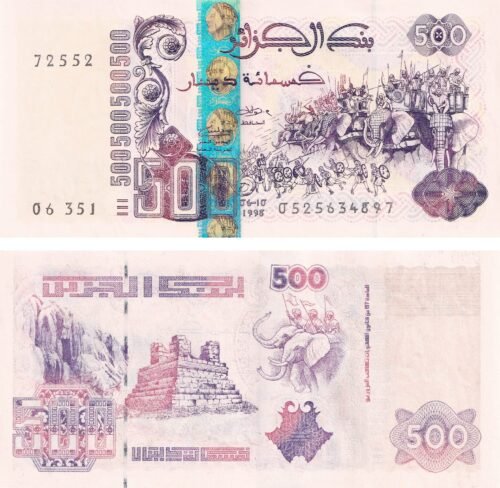
Design & Visual Identity
Algerian banknotes are built around strong architectural and landscape motifs combined with precise engraving traditions. The Martyrs' Memorial (Maqam Echahid) and the Great Mosque of Algiers serve as key national symbols, representing independence and modern statehood. These are supported by Arabic calligraphy, geometric ornamentation, and structured guilloche patterns that define the visual framework.
Natural elements drawn from the Sahara, including Tassili n'Ajjer rock formations and the Hoggar Mountains, provide geographic anchors within the designs. The influence of French engraving, particularly Banque de France production, is visible in fine line work, polychrome printing, and high-detail intaglio techniques used in earlier and transitional issues.
Historical & Cultural Context
Algeria’s monetary system evolved from colonial structures under Banque d’Algérie et de la Tunisie to a fully sovereign framework following independence. The introduction of the dinar in 1964 established a national currency, replacing the French franc and redefining monetary authority.
Subsequent series maintained continuity in design while incorporating updated security features and thematic elements. Modern issues expand the visual scope to include technological motifs such as Alcomsat-1 satellite references, reflecting national development beyond traditional themes.
For Collectors
For collectors, Algeria offers a structured collecting field defined by colonial-era banknotes with French engraving, early dinar issues following independence, and modern series with evolving design and security features. Key points of interest include Banque de France–influenced polychrome notes, bilingual Arabic-French inscriptions, and specimen issues. These elements make Algerian banknotes particularly relevant for collectors focused on North African monetary transitions and high-quality engraved currency.
Quick Facts
Currency: Algerian Dinar
Issuer: Bank of Algeria