
Syria’s 50-Pound Notes: Same Design, Different Printers

Two Syrian 50-pound notes retain the same main design but belong to versions attributed to different printers. Original scans, catalogue entries and contemporary documents explain the…
Banknote production is a complex process that combines advanced technology, specialized materials, and highly controlled printing techniques. Modern banknotes are produced using a combination of intaglio, offset, and other security printing methods designed to create detailed designs while protecting the currency from counterfeiting.
The production process involves multiple stages, including the preparation of artwork, engraving of printing plates, paper or polymer manufacturing, and the integration of security elements such as watermarks, security threads, holographic features, and color-shifting inks. Each stage requires extreme precision to ensure that every banknote meets strict quality and security standards.
This section explores how banknotes are designed, printed, and finished before entering circulation. By understanding the production process, collectors gain a deeper appreciation for the craftsmanship, technology, and artistic work behind the banknotes they collect.
Two Syrian 50-pound notes retain the same main design but belong to versions attributed to different printers. Original scans, catalogue entries and contemporary documents explain the…

São Tomé’s 5- and 10-dobra notes kept their familiar butterflies when they changed from polymer to cotton paper. Original scans reveal the altered window zones, signatures…

Zambia’s ten- and twenty-kwacha notes use Durasafe; the fifty uses paper. Original scans reveal different security-thread windows, while the Bank’s explanation shows what it sought from…

Banknote image rules vary by issuer. Compare official conditions for size, colour, resolution, SPECIMEN markings, attribution and permission in eight systems.
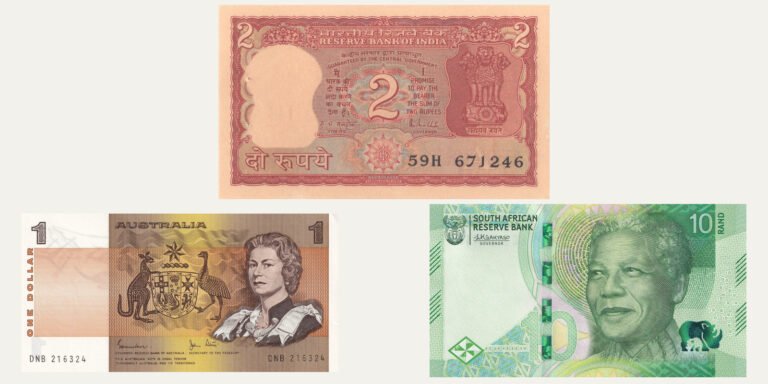
A banknote can move through vaults and accounting systems without ever reaching the public. Compare when seven monetary systems consider it to be in circulation.
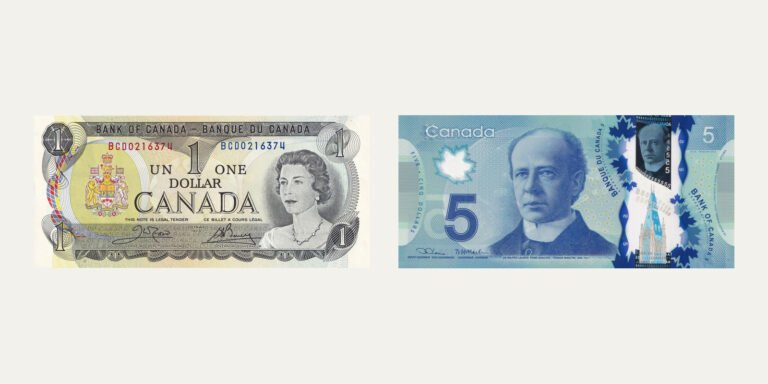
A genuine banknote can become too worn to remain in circulation despite retaining value. Compare fitness standards, lifespan estimates, sorting practices and destruction data.

New banknote series first reach the public through carefully planned and coordinated changeover operations. Compare phased releases, machine preparation, communication, overlapping circulation and old-note returns.
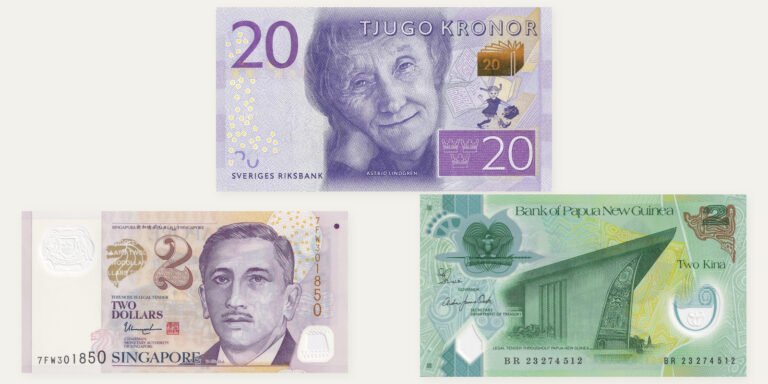
Published quantities may describe orders, production, deliveries, issuance, circulation or several entirely different measures. Learn why the figures answer different questions and are not interchangeable.
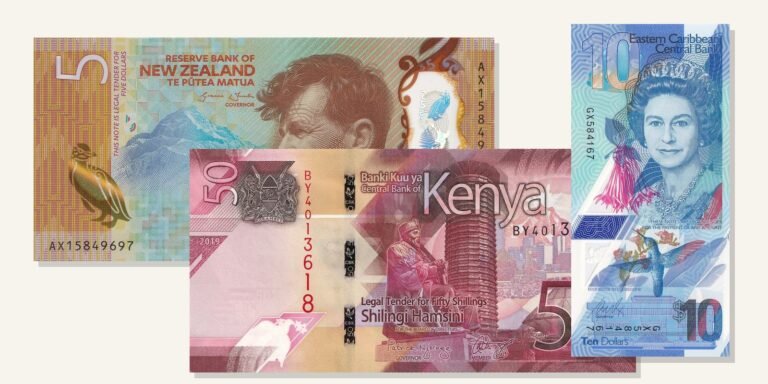
A banknote begins with institutional decisions long before any final artwork receives official approval. Follow design briefs, consultation, testing and approval through ten documented programmes.
The most prominent banknote name usually identifies the issuer rather than the printing company. Learn how national works and commercial specialists divide production.